Beauty Products Under $50 that actually work
Beauty products under $50
Shopping for beauty shouldn’t require a second mortgage, and yet the shelves are full of promises that sound expensive. This guide cuts through hype and lists reliable, wallet-friendly options so you can build a thoughtful routine without splurging. Expect honest picks, practical tips, and simple routines that prove great results don’t always need luxury price tags.

How to think like a savvy shopper for affordable Beauty products under $50
Buying smart begins with priorities: what problem are you solving right now? Pinpoint whether you need hydration, sun protection, gentle exfoliation, or long-wearing color, and allocate more of your budget there. That focus helps you find the true bargains among the noise.
Ingredient labels are your friend but learn to read them without panic. Ingredients like niacinamide, hyaluronic acid, vitamin C, retinol, and broad-spectrum sunscreen actives have predictable benefits, and many budget-friendly skincare products include them. Don’t chase fancy packaging—judge a product by its active list and reviews from reliable sources.
Patch testing and consistency matter more than chasing overnight miracles. Cheap beauty products that work often require two to eight weeks of regular use to show their effects, especially in skincare. Give products time and keep a small journal to track reactions and improvements so you can tell what truly helps your skin.
Face care: budget-friendly skincare products that deliver
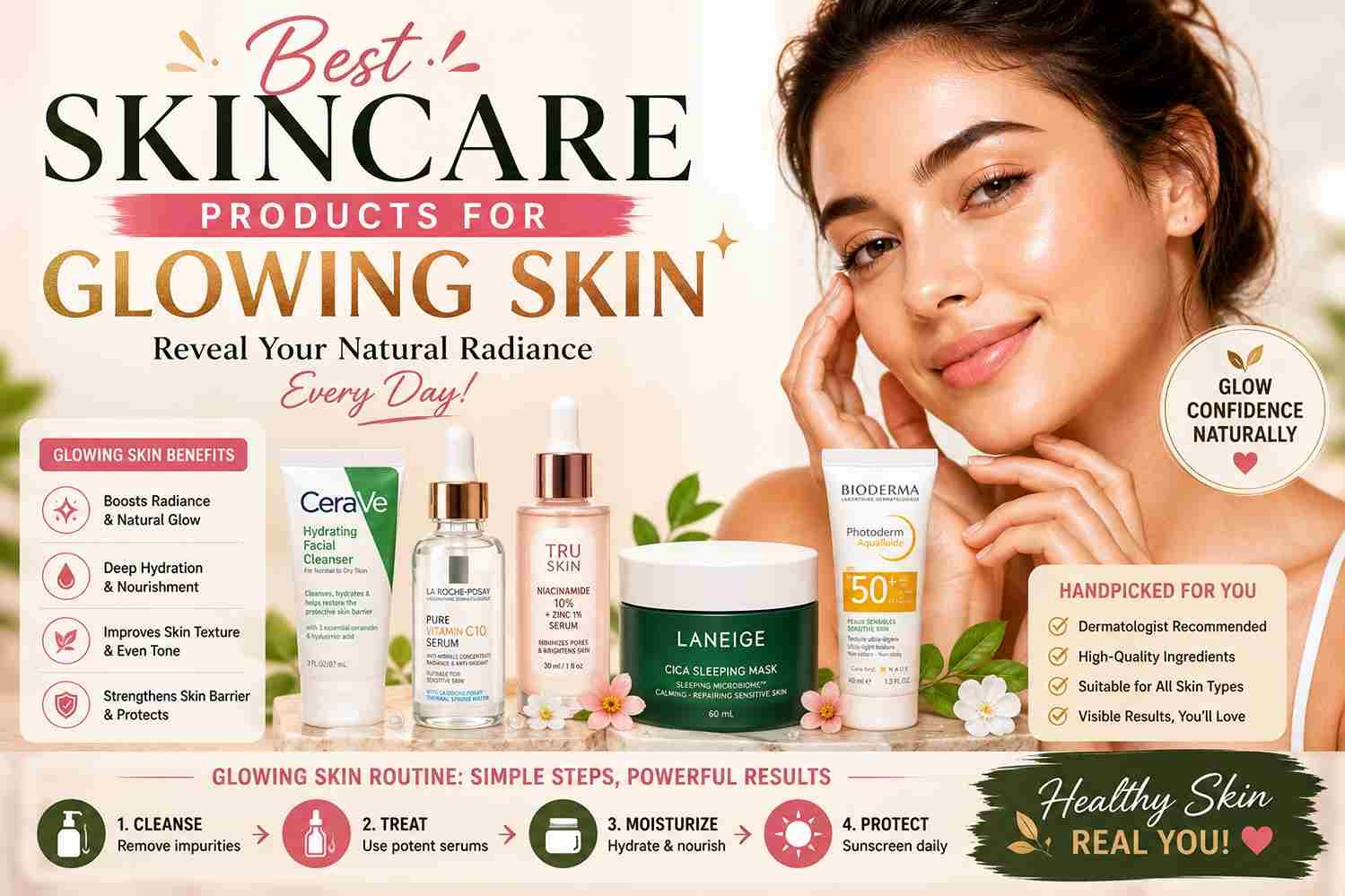
Skincare can get complicated quickly, but a few core steps cover most needs: cleanse, treat, hydrate, and protect. Within these pillars, many brands offer effective, low-cost options designed for daily use without irritation. You can build a solid regimen from inexpensive staples and still see noticeable results.
Start with a gentle cleanser that removes makeup and impurities without stripping. Look for sulfate-free formulas, creamy textures for dry skin, and gel or foam options for oilier types. A good cleanser sets the stage for everything that follows and is one of the most consistent beauty products worth buying under $50.
Serums often carry the “active” load—targeting dark spots, redness, or dehydration. Many budget-friendly serums contain 5–10% vitamin C, 1–2% retinol derivatives, or high concentrations of hyaluronic acid. Layer serums carefully and introduce one active at a time to minimize sensitivity.
Cleansers I rely on
When I need a daily workhorse, I turn to a gentle gel cleanser that balances oil without leaving tightness. It removes SPF and light makeup well, rinses clean, and costs under $20, making it one of the best drugstore beauty finds for everyday maintenance. Frequent use with this type of cleanser maintains clarity without upsetting the skin’s barrier.
For nights when makeup needs extra attention, I use a low-cost cleansing oil or balm first, then follow with the gel cleanser—double cleansing is a technique that elevates even the cheapest beauty regimen. This duo helps prevent clogged pores and improves the efficacy of subsequent serums and moisturizers. It’s simple, effective, and surprisingly gentle on sensitive skin.
Serums and active treatments
Vitamin C serums under $30 can genuinely help brighten and protect skin when stored correctly and used consistently. Choose stabilized forms like ascorbic acid paired with ferulic acid if possible, but magnesium ascorbyl phosphate and other derivatives are kinder to sensitive skin and still provide benefits. Apply in the morning before sunscreen for antioxidant protection.
Retinol is another active that traditionally cost a premium, yet several affordable retinol creams and serums prove effective at low concentrations. Start with a 0.25–0.3% formulation and use it twice weekly, slowly increasing frequency. These budget-friendly skincare options can fade fine lines and improve texture without breaking the bank.
Niacinamide is a multitasking workhorse that often appears in inexpensive serums and moisturizers. It calms redness, regulates sebum, and strengthens the skin barrier. Layering a niacinamide product beneath a moisturizer is a great way to boost results from a minimal routine.
Moisturizers that won’t quit on you
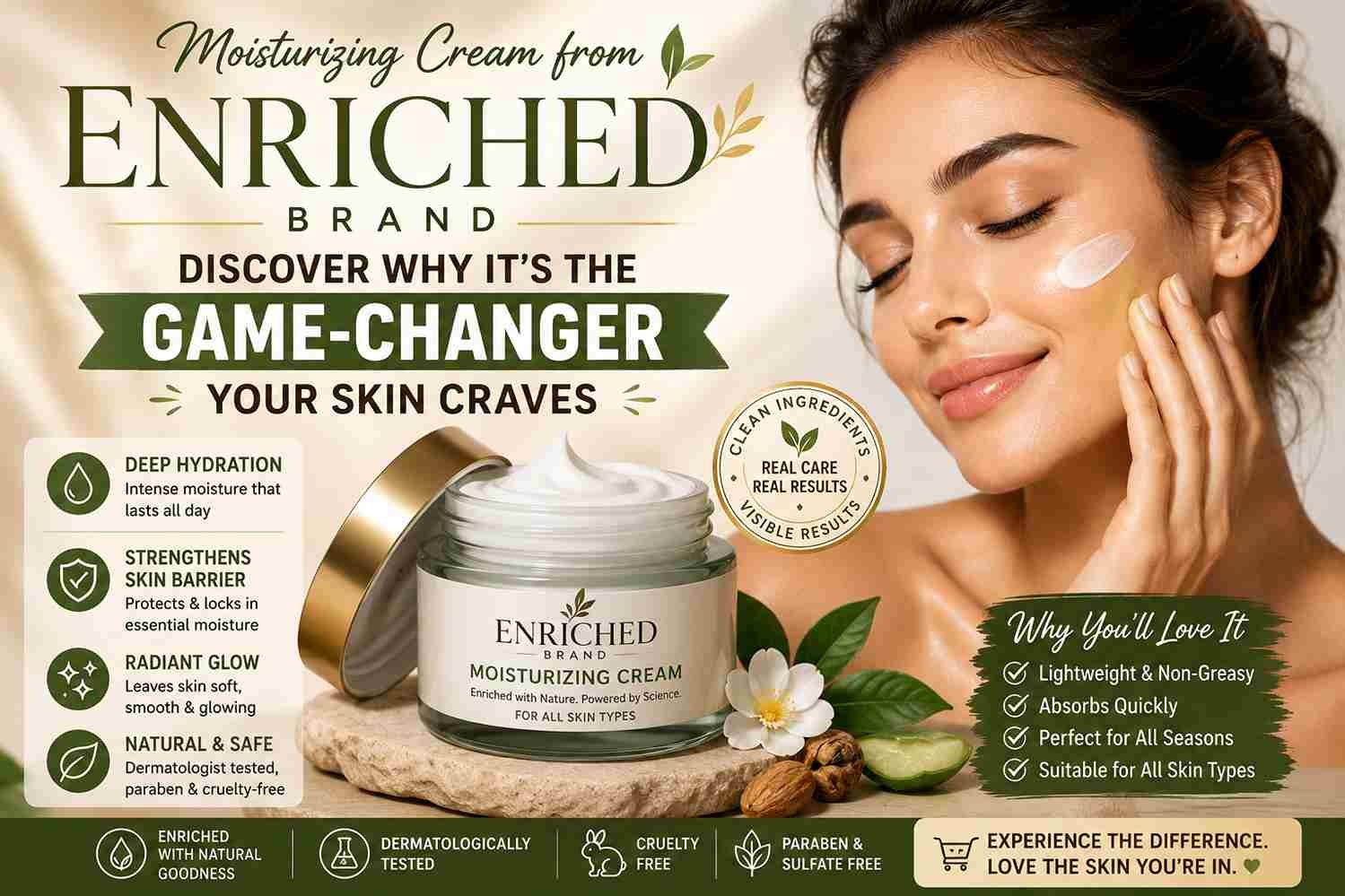
Moisturizers under $30 can offer solid hydration and barrier support if you choose formulas with ceramides, glycerin, or fatty acids. Creamy textures work for normal to dry skin, while lightweight lotions and gel creams suit oily or combination types. The right moisturizer locks in all the work you’ve done with active ingredients.
For night use, a slightly richer formula with occlusives like dimethicone or squalane can help with repair and texture smoothing. You don’t need to spend big to wake up with calmer, plumper skin; look instead for reliable ingredients and non-irritating preservatives. Pairing a good moisturizer with sunscreen in the morning is one of the most budget-friendly decisions for long-term skin health.
Sunscreens that protect without pain
Sunscreen is nonnegotiable, and you can find broad-spectrum formulas with SPF 30 or 50 for under $20. Mineral and chemical sunscreens each have pros and cons: mineral tends to be gentler on sensitive skin but can leave a cast, while chemical feels lighter but sometimes irritates reactive skin. Try travel sizes or drugstore options to find your match.
Make sunscreen an everyday habit, not an occasional add-on. Reapplying every two hours during sun exposure and using it under makeup ensures lasting protection. Consider tinted mineral sunscreens if you want a two-in-one product that evens tone while shielding skin.
Makeup: cheap Beauty products under $50 that work and look luxe
Makeup has a stealthy way of making you feel pulled together, and many affordable beauty products deliver high-impact results. Modern formulation science means pigment, blendability, and longevity can be found at drugstore price points. The trick is knowing which categories require investment and which you can happily buy on a budget.
For color products, pigmented formulas that apply smoothly and layer well are worth seeking out. Foundations and concealers now come in a wide array of shades and finishes at accessible prices, while mascaras and brow products often outperform their fancy counterparts. Focus on texture and wear time rather than branding alone.
Foundations and base products
Many foundations under $20 provide medium coverage with a natural finish; sheer to medium products are easiest to layer and forgive changes in skin texture. Lightweight formulas are particularly flattering for daily wear, and powder or cream products can be used to touch up without caking. Use a damp sponge or fluffy brush for the most seamless application.
Concealers at drugstore price points have improved dramatically—look for formulas with good coverage that don’t crease and contain a touch of hydrating ingredients. A small pot of corrector paired with a brightening concealer makes for efficient, budget-conscious eye coverage. These are among the best drugstore beauty finds because they solve visible problems quickly and reliably.
Eyes, brows, and lashes
A reliable mascara is an inexpensive confidence boost; many cheap beauty products that work will lengthen, volumize, and hold a curl without flaking. Water-resistant mascaras provide longevity but can be a pain to remove—balance wear needs with removal comfort. If you’re testing mascaras, keep a backup remover designed for waterproof formulas to avoid tugging at the lashes.
Brow products don’t need to be expensive; a good pencil and a clear or tinted gel can sculpt and set brows cleanly. Micro-shading pencils and spoolies in the cap have become standard in affordable lines, giving precise control without a steep learning curve. Brows frame the face, and inexpensive grooming tools can make a noticeable daily difference.
Lips, cheeks, and color
Cream blushes and multi-use lip tints are budget-friendly ways to get a fresh, natural flush. These formulas often double as lip color and cheek tint, making them excellent travel companions. Stick formats and pots are portable and blendable for quick touch-ups.
Long-wear lipsticks under $15 can offer rich pigment and comfortable wear when you choose formulas with emollients like shea butter or oils. For everyday, consider a satin or balm formula; matte long-wear shades are better for special occasions when you want minimal transfer. The key is finding a balance between comfort and staying power.
Haircare and body care: small splurges, big payoffs
Hair products offer visible returns in texture and shine, and you can find effective shampoos, conditioners, and treatments under $50. Formulas targeted to your hair type—hydrating for dry, protein-balanced for damaged—tend to perform better than one-size-fits-all solutions. Invest in a good hair mask and a versatile leave-in treatment for ongoing health.
Body care often gets less attention, but a rich body lotion, a gentle exfoliant, and a reliable hand cream keep skin soft and resilient. Fragrance-free options are available for sensitive skin, while light, well-formulated scented lotions make daily moisturizing a pleasure. Quality body care under $30 can change how clothes sit and how skin feels against fabric.
Shampoos, conditioners, and treatments
A sulfate-free shampoo paired with a nourishing conditioner forms the baseline for many affordable hair routines. If you color-treat or heat-style often, a protein-rich mask used weekly will protect from breakage and restore elasticity. Lightweight oils or serums used sparingly on damp ends provide shine without weighing hair down.
Scalp health is underrated; affordable scalp scrubs or tonics can reduce buildup and promote a more balanced environment for hair growth. Look for products with tea tree oil, salicylic acid, or gentle exfoliants if you experience flaking or excessive oil. These small interventions often improve hair appearance more than frequent trims alone.
Body products that feel luxurious
A body exfoliant under $20 can revive dull skin and improve lotion absorption, and the ritual itself can feel indulgent. Pair exfoliation with a rich, fast-absorbing moisturizer to maintain softness without stickiness. Target areas like knees, elbows, and feet for visible improvement with minimal time investment.
For hands and nails, a concentrated cream and cuticle oil are inexpensive luxuries that pay off in appearance and comfort. Keep a travel-size tube in your bag to prevent dryness from seasonal changes or extensive handwashing. These small habits make hands look younger and more cared-for than most makeup tricks.
Multitaskers and palettes: beauty products under $50 worth buying
Products that multitask save space, time, and money. A cheek-and-lip tint, a tinted moisturizer with SPF, or a palette that includes shadow, bronzer, and highlight can replace multiple single-use items. When you’re building a capsule kit, aim for versatility and shades that flatter multiple looks.
Think about texture compatibility: cream products layer beautifully in cool weather, while powders are better for hot, humid climates. Palettes often provide complementary shades for day and night looks, making them one of the most pragmatic beauty products worth buying under $50. The best ones balance pigment, blendability, and longevity.
Pick versatile color products
A small, well-chosen palette can create subtle daytime looks and deepen for evening with a few swipes. Neutral palettes in warm or cool tones suit most wardrobes and lighting conditions. When traveling, a single multipurpose product reduces baggage while keeping options open for quick touch-ups.
Stain-based products often last longer and look more natural than heavy layers of lipstick or cream blush. They may require a little practice to blend, but once you get the hang of them, stains make for easy, lasting color on cheeks and lips. These are great for busy mornings or humid days when transfer is a concern.
Best drugstore beauty finds: a curated table of dependable picks
Below is a concise table highlighting categories, example products, and reasons they’re worth considering. Prices vary by retailer, but each item consistently appears on lists of best drugstore beauty finds and gets strong user reviews. Use this as a starting point when you need to replace staples or try something new.
| Category | Product example | Why it stands out |
|---|---|---|
| Cleanser | Gentle gel or creamy cleanser | Balances oil, removes SPF, gentle on skin |
| Serum | Vitamin C or niacinamide serum | Brightens, evens tone, inexpensive |
| Moisturizer | Ceramide or hyaluronic acid cream | Barrier support and hydration |
| Sunscreen | Broad-spectrum SPF 30–50 | Daily sun protection without high cost |
| Foundation | Light-to-medium coverage foundation | Natural finish, easy to blend |
| Mascara | Lengthening or volumizing mascara | Long wear, no flaking |
| Hair mask | Protein or moisturizing mask | Restores shine and reduces breakage |
| Multipurpose stick | Cheek, lip, and eye stick | Portable, multitasking color |
Where to find deals and how to buy cheaper without sacrificing quality
Retailers run seasonal sales, loyalty discounts, and flash deals that drastically reduce prices on mid-tier and drugstore brands. Sign up for brand newsletters sparingly to receive initial discount codes, and use browser extensions that aggregate coupon codes and cash-back offers for added savings. These small steps add up over the year.
Drugstores and mass retailers often price-match or have “buy one, get one” promotions on essentials like sunscreen and shampoo. Stock up on non-perishables during these sales to stretch your budget farther. For items you’ll use daily, buying the larger size during a sale reduces unit cost and prevents awkward mid-routine gaps.
Don’t discount smaller, indie brands that sell directly online; they sometimes offer trial sizes and lower introductory prices for new customers. Sampling travel or trial sizes lets you test without commitment and avoids wasted money on full-size items that don’t suit you. The practice of testing before committing is one of the best ways to discover cheap beauty products that work for your skin type.
How to build a capsule routine with affordable beauty products under $50
A capsule beauty routine simplifies choices and trims spending by focusing on multipurpose items. Start with a basic lineup: cleanser, moisturizer, sunscreen, a targeted serum, and one color product you’ll wear most days. With this setup, you cover skin health and daily polish without accumulating clutter.
Adjust seasonally—swap a lighter moisturizer for a richer one in winter, or choose a tinted SPF instead of a heavier foundation in summer. Add or remove specialized items like exfoliants, masks, or retinoids based on specific concerns. This approach keeps routines intentional and reduces impulse buys.
Plan purchases around needs, not trends. If you want to incorporate an exfoliant or retinol, phase it in slowly and set a small budget specifically for actives. That way you’re investing in products that target your goals rather than following every new launch. Over time, the routine will reflect what actually improves your skin and what’s merely decorative.
Example morning capsule
Cleanse quickly to remove overnight oils, then apply a vitamin C or niacinamide serum to brighten and protect. Layer moisturizer for hydration and finish with a broad-spectrum SPF. Add a tinted balm or a light foundation if you want coverage; this short sequence takes five minutes and supports long-term skin health.
For makeup, consider a single neutral palette that offers face and eye shades. Keep a brow pencil and mascara on hand for minimal sculpting and emphasis, and choose a lip color that doubles as a cheek tint. This streamlined kit looks polished and stays compact for travel or a busy schedule.
Example evening capsule
Start with a double cleanse if you wore makeup or sunscreen; otherwise, a single gentle cleanse will do. Use a targeted treatment like a retinol or exfoliant on alternating nights, followed by a nourishing moisturizer or a richer night cream. End the routine with a few drops of a nourishing facial oil on dry patches if needed.
Consistency is the real luxury here: you don’t need a dozen items, you need a few that you use reliably. Rotating treatment nights keeps actives effective while minimizing irritation. Stick to this pattern for three months to assess whether changes are real and lasting.
Testing and safety: how to avoid irritation and wasted purchases
Patch-testing new products on the inner arm for 48 hours helps you spot allergic reactions before you apply them to your face. Ingredients lists can reveal common irritants like fragrances, essential oils, and certain alcohols—if your skin is reactive, choose fragrance-free lines. Safety and tolerance are inexpensive but critical components of a routine that lasts.
Introduce one new product at a time and wait two weeks before adding another. If irritation appears, stop usage and give your skin a recovery window. This slower approach saves money in the long run by reducing the need to replace products or treat reactions.
Read community reviews with a grain of salt; look for patterns rather than single opinions. Reviews that mention skin type, age, or climate are most helpful, and professional voices can clarify expected outcomes. Combine reviews with personal experimentation to discover which affordable beauty products truly suit you.
My personal picks and real-life testing notes
Over years of testing, I’ve learned that consistency beats novelty. A $15 retinol that I used twice weekly produced better texture improvements than an occasional expensive professional treatment that I didn’t commit to. This reinforced my preference for budget-friendly skincare products you can actually use consistently.
I also tested several drugstore mascaras over months of commuting and sweating through humid summers. The winner held the curl without flaking and removed easily with a gentle oil cleanser. That balance of wear and ease of removal is what makes some cheap beauty products that work genuinely worth repurchasing.
In haircare trials, a $12 weekly mask restored softness to heat-damaged hair over three months—results comparable to salon products I’d used for far more money. The ritual of applying the mask in the shower and letting it sit while I did other tasks made it sustainable, which is the real reason it improved my hair over time.
Common myths about budget beauty—and what actually matters
Myth: higher price equals better results. Reality: formulation and active concentration matter more than label prestige. A well-formulated $20 serum with effective actives can outperform a $150 product with filler ingredients and marketing fluff. Learn to evaluate ingredients and clinical claims rather than just the price tag.
Myth: cheap means harsh. Reality: many affordable lines prioritize gentle preservatives and soothing bases to appeal to mainstream users. Some inexpensive brands specialize in sensitive-skin formulas precisely to capture market trust. Don’t avoid a product just because it’s affordable—judge it by its ingredient list and experiences from users with similar skin.
Myth: you need many products to see improvement. Reality: targeted, consistent use of a few effective items yields the best outcomes. Overcomplicated routines increase cost, confusion, and potential irritation. Simplicity often delivers clearer results and better budget outcomes.
Final thoughts on building a purposeful, budget-friendly beauty collection
Finding the right affordable beauty products requires patience, testing, and a clear sense of priorities. Focus on core items that support skin health first—cleanser, moisturizer, sunscreen—then layer in treatments and color products that you’ll use daily. This approach reduces waste and builds a routine that’s sustainable both for your skin and your wallet.
Use sales smartly, opt for multipurpose products, and keep a small rotation rather than a cluttered shelf. Small rituals—like a weekly mask or a nightly serum—become enjoyable and effective when they’re part of a routine you actually follow. With the right choices, cheap does not mean second-rate; it can mean practical, thoughtful, and surprisingly transformative.
Start with one product from this guide, commit to using it consistently, and you’ll quickly learn which beauty investments are worth repeating. Good skincare and makeup aren’t about how much you spend—they’re about choosing what works, using it wisely, and enjoying the process along the way.