

A practical 2026 guide to UK casinos that still accept Boku deposits, with a ranked shortlist, payment limits, and withdrawal reality. read the UK Boku casino guide

Best Skincare Products for Glowing Skin
by Luxury Beauty
Best Skincare Products for Glowing Skin
Glowing skin doesn’t arrive by accident. It’s the result of thoughtful choices: the right active ingredients, consistent habits, and products that actually suit your skin’s needs. This article walks through the science, the routine, and real product recommendations so you can build a dependable path to radiance with Best Skincare Products for Glowing Skin.
Why “glowing” matters beyond looks
When people say they want Best Skincare Products for Glowing Skin, they usually mean healthy-looking skin — even tone, subtle luminosity, and smooth texture. Those visible qualities reflect things happening under the surface: balanced hydration, good cell turnover, and a resilient skin barrier.
Chasing glow isn’t just vanity. Skin that looks luminous tends to be better hydrated, less inflamed, and more resistant to environmental stressors. That makes a glowing complexion a practical indicator of skin health, not merely an aesthetic goal.
How glowing skin works: the basic biology
The “glow” you notice is mostly about light reflecting off a smooth, hydrated surface. Dead skin cells, dryness, and rough texture scatter light and dull that reflection. Regular exfoliation and hydration reveal fresh, plump skin that bounces light back.
Underneath, cellular turnover and collagen support also matter. As keratinocytes renew and collagen fibers maintain structure, your skin keeps a tighter, more even surface. Ingredients that support turnover, protect from UV, and reduce inflammation directly influence how luminous your skin appears.
Key processes to target
Exfoliation speeds the removal of dead cells and brightens texture, but it must be balanced to avoid irritation. Chemical exfoliants like AHAs and BHAs are gentler and more consistent than rough scrubs when used correctly.
Hydration plumps the skin and fills micro-relief, improving reflectivity. Humectants and occlusives work together: humectants draw water into the skin, and occlusives lock it in. Barrier repair prevents moisture loss and reduces sensitivity that can mask a natural glow.
Essential ingredients that create visible radiance
Not every ingredient produces shine. To improve luminosity, prioritize actives with proven mechanisms: brightening agents, antioxidants, hydration boosters, and gentle exfoliants. Below are the most effective categories and how they help.
Use these ingredients strategically rather than piling them all on. Layering thoughtfully and allowing time for adaptation yields consistent improvement without irritation.
Vitamin C: the brightening antioxidant
Vitamin C is a cornerstone for glowing skin because it reduces oxidative damage, supports collagen, and fades early pigment irregularities. Stable forms like L-ascorbic acid, ascorbyl tetraisopalmitate, or magnesium ascorbyl phosphate each have different strengths depending on formulation and skin tolerance.
Start with lower concentrations if you’re sensitive, and expect visible improvement in tone and radiance over 6–12 weeks. Morning application under sunscreen maximizes protection and benefits.
Retinoids: cell turnover and texture refinement
Retinoids (retinol, retinaldehyde, prescription tretinoin) promote faster cell turnover and strengthen dermal support, which smooths texture and brightens skin over time. They’re especially effective for reducing fine lines and improving the reflective quality of the skin surface.
Introduce retinoids slowly to minimize irritation. Nighttime use is standard, and combining them with moisturizers helps maintain comfort and adherence to a routine.
Niacinamide: inflammation control and barrier support
Niacinamide is a versatile ingredient that calms redness, improves barrier function, and regulates sebum production. It’s one of the easiest to layer with other actives because it’s generally well tolerated and supports overall skin health.
Regular use can reduce blotchiness and refine skin tone, which contributes to a more luminous appearance without aggressive intervention.
AHAs and BHAs: chemical exfoliation
Alpha hydroxy acids (glycolic, lactic) and beta hydroxy acid (salicylic) remove surface dead cells and clean pores, revealing smoother, brighter skin. AHAs address surface texture and dehydration lines, while BHAs penetrate oilier pores to clear congestion.
Use chemical exfoliants according to concentration and frequency guidelines to avoid overdoing it. A once- or twice-weekly treatment can be enough for many skin types, while others may tolerate more frequent use.
Hyaluronic acid and humectants: immediate plumping
Hyaluronic acid attracts and holds water in the skin, producing quick visible plumpness and reducing the appearance of fine lines. Paired with a lightweight moisturizer or an occlusive, humectants can make skin look dewier and healthier almost immediately.
These are excellent for layering under serums and as a support to more active treatments that can be drying, like retinoids and certain exfoliants.
Peptides and antioxidants: long-term repair
Peptides support collagen production and skin repair mechanisms over time, contributing to firmness and a more even texture. Antioxidants such as vitamin E, ferulic acid, and niacinamide protect against free radical damage that dulls skin.
Consider peptides and antioxidants as maintenance players; they won’t transform skin overnight but they sustain gains and protect improvements achieved with stronger actives.
Designing your glowing skin skincare routine
A consistent, well-ordered regimen beats sporadic use of product “miracles.” A glowing skin skincare routine should include cleansing, targeted treatment, hydration, and sun protection, adjusted to what your skin tolerates.
Think in layers: thin to thick, and actives before heavier creams. When in doubt, patch test new actives and introduce one product at a time so you can measure effects and reactions.
Morning routine: protect and brighten
Start your day with a gentle cleanser to remove overnight oils and product residues. Follow with an antioxidant serum—vitamin C is a strong morning choice—and layer a lightweight moisturizer suited to your skin’s hydration needs.
Finish every morning with a broad-spectrum sunscreen of at least SPF 30. Sun protection is non-negotiable for maintaining radiance and preventing pigmentation that undermines glow.
Evening routine: repair and renew
Evening is for repair. Cleanse to remove sunscreen and dirt, then apply targeted treatments like retinoids or exfoliants on alternating nights to avoid irritation. Follow with a hydrating serum and a richer moisturizer to support barrier repair while you sleep.
If you use nighttime acids, alternate them with retinoids or use them on different nights. This spacing reduces the risk of over-exfoliation and increases long-term adherence.
Weekly: stronger tools and gentle polishing
Weekly treatments—masks, chemical peels, or exfoliating toners—can accelerate texture improvement. Use them conservatively; for many, a once-weekly AHA peel or mask is plenty to maintain glow without inflammation.
Exfoliating brushes and devices can help with texture but should complement, not replace, chemical exfoliation and consistent daily care. Overuse of mechanical tools often provokes redness and sensitivity.
Step-by-step: the routine in practice
Below is a straightforward sequence you can adapt. I recommend starting with lower strengths and increasing frequency as your skin builds tolerance. Listen to your skin and adjust rather than forcing intensity.
- Cleanser (morning and night)
- Antioxidant serum (morning)
- Treatment serum—vitamin C or targeted actives (morning)
- Hydrating serum (hyaluronic acid) (both)
- Moisturizer (both)
- Sunscreen (morning, reapply midday)
- Retinoid or chemical exfoliant (evening, alternate nights)
Adjust the list by your skin type: oily skin may prefer gel textures and lighter moisturizers, while dry skin benefits from creamier products and occlusives. The sequence remains the same—light to heavy—and you’ll layer actives before emollients.
Product categories and recommended examples
Choosing a brand name matters less than picking Best Skincare Products for Glowing Skin with the right active concentration, a stable formula, and good tolerability. The table below lists categories and example products that reliably deliver glow when used correctly.
| Category | Example product | Why it helps | Best for |
|---|---|---|---|
| Gentle cleanser | CeraVe Hydrating Cleanser | Cleans without stripping; includes ceramides | Normal to dry, sensitive |
| Vitamin C serum | SkinCeuticals C E Ferulic (or stable L-ascorbic forms) | Brightens, antioxidant protection | All skin types (choose formula for sensitivity) |
| Exfoliant | Paula’s Choice 2% BHA Liquid Exfoliant | Cleans pores, smooths texture | Oily, congested, combination |
| Retinoid | 0.3–1% retinol formulations or prescription options | Improves turnover and texture | Aging, texture concerns |
| Hydrating serum | The Ordinary Hyaluronic Acid 2% + B5 | Immediate plumping, supports barrier | All skin types |
| Moisturizer | La Roche-Posay Toleriane Double Repair or CeraVe PM | Restores barrier, lightweight hydration | All skin types |
| Sunscreen | EltaMD UV Clear or a mineral SPF 30+ option | Prevents UV-induced dullness and pigmentation | All skin types |
These examples are starting points, not endorsements of a single route. Formulation matters, and your local availability may dictate alternatives with similar actives and strengths.
Finding dermatologist recommended Best Skincare Products for Glowing Skin
Many dermatologists emphasize fundamentals: gentle cleansing, daily sunscreen, and targeted use of vitamin C and retinoids. When shopping, look for products described by dermatologists for their stability and evidence-backed ingredients rather than marketing claims.
“Dermatologist recommended glowing skin products” often include formulations with proven actives at sensible concentrations, brands that prioritize irritation-minimizing delivery systems, and products with clear usage guidance. These are less likely to cause setbacks and more likely to produce steady results.
In my experience testing different regimens, I saw the most consistent improvement when I relied on dermatologist-favored basics: a nonstripping cleanser, a stable vitamin C in the morning, and a low-dose retinol at night. It took patience, but the skin improved without frequent flare-ups.
Choosing the best serum for glowing skin
Serums are concentrated and can dramatically shift skin appearance because they deliver actives efficiently. When considering the best serum for glowing skin, focus on ingredient stability, pH compatibility, and whether the formulation suits your tolerance.
For daytime radiance, a vitamin C serum combined with ferulic acid and vitamin E offers both brightening and photoprotection. For night, retinol or peptides can provide structural benefits that improve reflectivity over time.
How to pick a vitamin C serum
Check for stability—opaque packaging and additional stabilizers reduce oxidation. L-ascorbic acid is effective but can be irritating at higher percentages; derivatives like magnesium ascorbyl phosphate or ascorbyl tetraisopalmitate are gentler.
Concentration matters: 10–20% L-ascorbic acid is common, but lower concentrations can still be effective without irritation. Pair with sunscreen and avoid layering with strong acids at the same time.
Alternatives if vitamin C upsets your skin
If vitamin C causes sensitivity, try bakuchiol (a plant-derived retinol alternative), niacinamide for brightening, or ascorbyl glucoside for gentler vitamin C activity. These can deliver gradual radiance improvements with better tolerance.
Patch testing and slow introduction are key. I switched to a lower-concentration derivative for a few months when my skin flared, and it maintained brightness without irritation until I could tolerate a stronger formulation again.
How to layer products safely
Layering is about order and timing. Apply thinner, water-based products first, then oil-based or creamier products. Active caution: avoid using multiple exfoliating acids and potent retinoids on the same night until you know how your skin responds.
When experimenting, adopt a one-new-product-every-2–4-week rule. That gives skin time to adapt and lets you identify any cause if irritation appears.
Common mistakes that kill your glow
Several predictable habits reduce radiance: neglecting sunscreen, over-exfoliating, skipping moisturizers, and chasing instantaneous results. Fixing these common errors often yields quick, visible improvement.
Another frequent mistake is combining too many strong actives at once. This can cause barrier damage, leading to dullness, flaking, and reactive redness rather than the clear luminosity you want.
Don’t skip sunscreen
Sun damage is the single biggest enemy of radiant skin. UV exposure accelerates pigment formation, roughens texture, and breaks down collagen — all of which remove the appearance of glow. Daily sunscreen prevents those setbacks and preserves the gains you make with other products.
Make sunscreen the last step in your morning routine and reapply every two hours if you’re spending time outdoors. Choose a formula you’ll actually wear; efficacy matters only if it’s used consistently.
Avoid over-exfoliation
Too much physical or chemical exfoliation strips the barrier, causing redness and a dull, raw surface. When the skin is inflamed, it reflects light poorly and loses that luminous look.
Moderation: start with a conservative schedule and step up only if your skin tolerates it. Protective hydration after exfoliation helps maintain barrier function and keeps texture smooth.
Budget-friendly options that still work
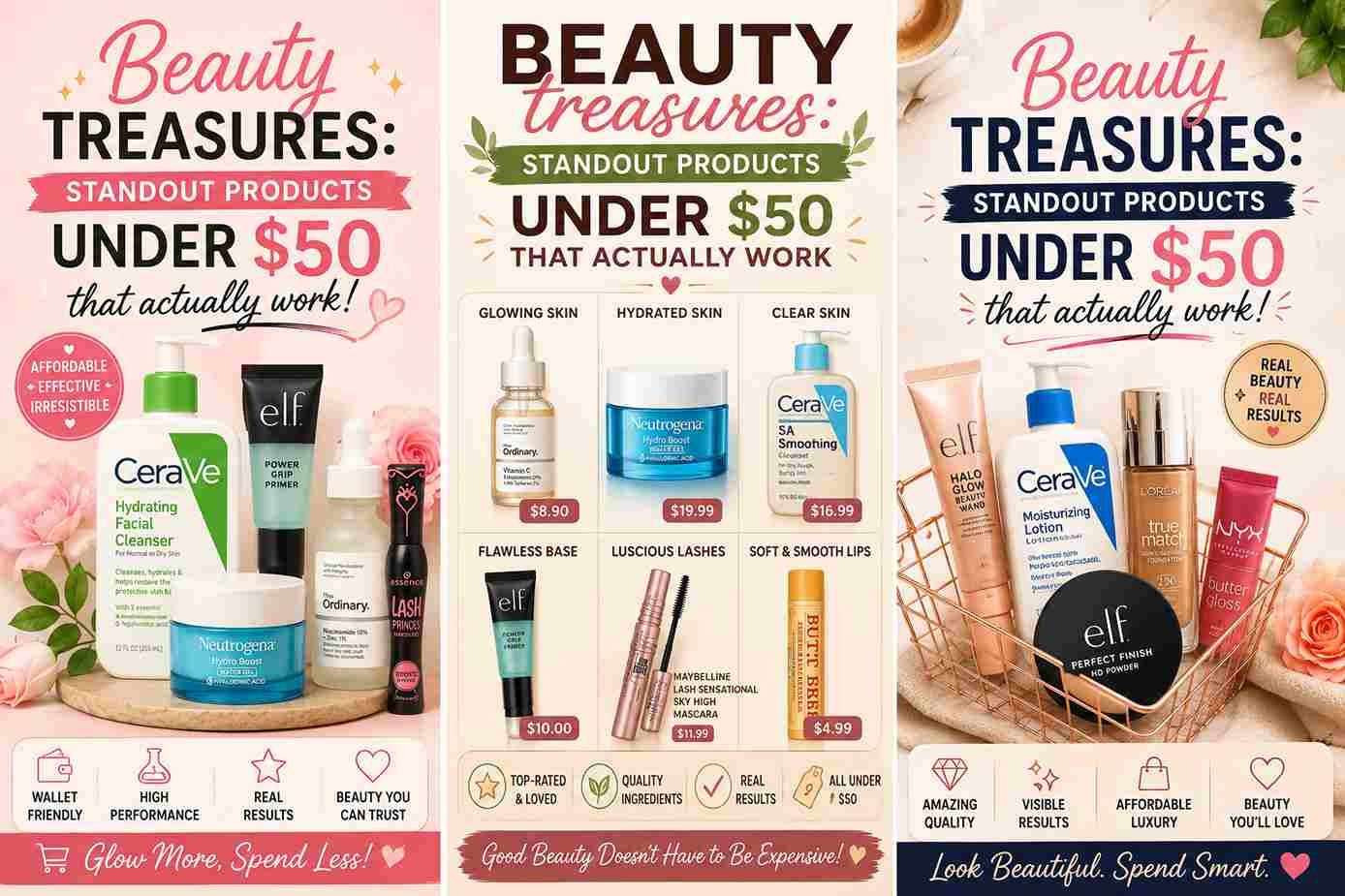
Your routine doesn’t need to be expensive to be effective. Several affordable brands offer well-formulated options for basic needs: gentle cleansers, hyaluronic serums, niacinamide treatments, and sunscreens. These essentials often contribute the most to visible improvements.
When on a budget, prioritize sunscreen and a dependable hydrating moisturizer. Add a single targeted active that addresses your primary concern—vitamin C for tone, retinol for texture—rather than many half-measures.
Examples of value picks
The Ordinary, CeraVe, and Paula’s Choice frequently provide high-value actives in straightforward formulations. I’ve used their serums and found consistent results when I paired them with sun protection and hydration.
Buying an expensive serum rarely matters if you skip sunscreen or over-exfoliate. Basics first, upgrades later: that sequence yields the best return on investment for most routines.
When splurges make sense
Splurges can matter when a formula genuinely improves stability, tolerability, or delivery of an active component. High-end formulations sometimes use advanced stabilizers, better textures, or combined actives that reduce irritation while maintaining potency.
Consider splurging on a product you’ll use daily and that fills a specific gap in your routine—often a sunscreen you’ll actually wear or a vitamin C serum with proven clinical data.
Lifestyle factors that amplify product benefits

Topical products do a lot, but lifestyle choices amplify or undermine their effects. Sufficient sleep, consistent hydration, a balanced diet rich in antioxidants, and regular movement all support the skin’s ability to look radiant.
Alcohol, smoking, and chronic stress degrade skin quality and diminish the visible results of even the best routines. Think of lifestyle and skincare as partners in pursuit of glow; both need attention.
Diet and hydration
A diet rich in vegetables, healthy fats, and adequate protein supports skin repair and barrier function. Omega-3s, vitamin-rich produce, and appropriate calories contribute to plumpness and texture that reflect light better.
Hydration matters but don’t overstate it: drinking water helps overall health and skin hydration indirectly, while topical humectants and barrier repair offer the direct, visible plumping you can see faster.
Sleep and stress
Repair processes accelerate during sleep. Poor sleep increases inflammation and can blunt the effects of topical actives. Managing stress through realistic routines, mindfulness, or professional support reduces inflammatory patterns that darken and roughen the skin.
Small, sustainable changes in daily rhythm often yield noticeable improvements in skin clarity and radiance after a few weeks.
When to consult a dermatologist
See a dermatologist if you have persistent pigmentation, severe acne, cystic lesions, or irritation that doesn’t settle with standard over-the-counter products. A professional can prescribe stronger, evidence-based treatments and rule out underlying causes.
Dermatologists also help tailor ingredient strength and sequence for your specific skin. If you’re investing time and money into a routine and not seeing progress after several months, a consult is a practical next step.
Final practical checklist: build your daily ritual
Here’s a compact checklist you can print or screenshot. Follow these steps consistently and keep product changes gradual to track what truly helps your skin glow.
- AM: gentle cleanse, vitamin C (optional), hydrating serum, moisturizer, sunscreen.
- PM: cleanse, retinoid or targeted treatment (alternate nights), hydrating serum, moisturizer.
- Weekly: 1–2 chemical exfoliation sessions or a resurfacing mask as tolerated.
- Always patch test new actives and introduce one product at a time.
- Prioritize sunscreen and barrier repair over chasing the latest trendy active.
When I adhere to this checklist for four to six weeks, my skin’s radiance reliably returns. The difference is less about any single miracle product and more about consistent, complementary steps that protect, treat, and hydrate.
Products that make your skin glow — final tips

If you’re choosing between products, ask three questions: Does this product have an evidence-backed active? Is the concentration appropriate for my tolerance? Will I use it daily? Answers to those three questions predict success far better than packaging or price.
Think of the journey to radiant skin as steady maintenance. Small, correctable adjustments—adding sunscreen, switching a harsh scrub for a gentle AHA, or choosing a stable vitamin C—compound into visible, lasting glow. With consistency and the right priorities, that lit-from-within look is attainable and sustainable.